The Over That Changes Shape Before the Last Ball
See how a wicket, a target, or the next bowler can change an over’s tactical choices, and follow the reasons behind a shift in risk before it ends.
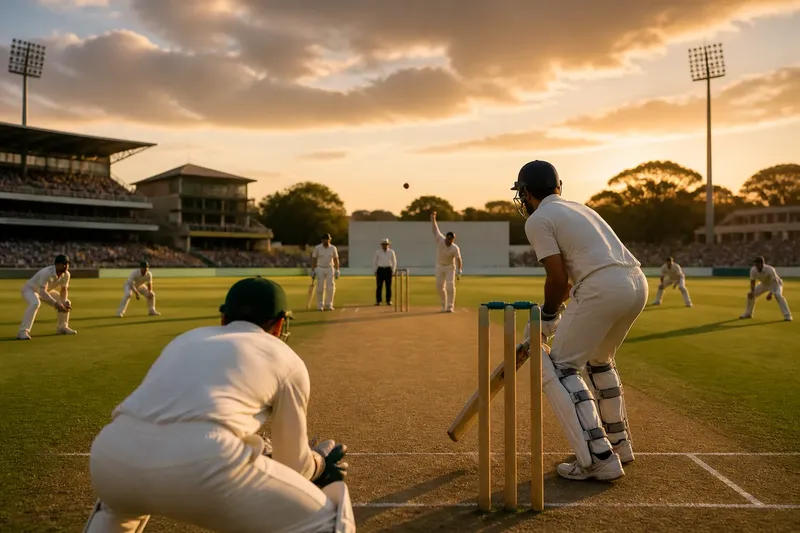
The common mistake in reading an over is to treat every delivery as a separate contest, detached from the match situation. That misses the cost of a wicket or a run: each can alter who should take the initiative and what the fielding side can sensibly try next. Reading an over as a tactical sequence means following those changes, not simply counting its deliveries.
A cricket over consists of six legal deliveries by one bowler; wides and no-balls do not count toward the six. Its tactical story is shaped by the innings format, the pitch, the batters’ roles, the target if there is one, and the field. Think of it like a car’s route changing after a road closes: the destination may stay the same, but the available choices do not.
Changing priorities
In a chase, the batting side weighs scoring against the wickets it can afford to lose. In an innings with no target to chase, batters may instead balance building a total against making use of the time and wickets available. The same shot can look sensible in one situation and needlessly risky in another.
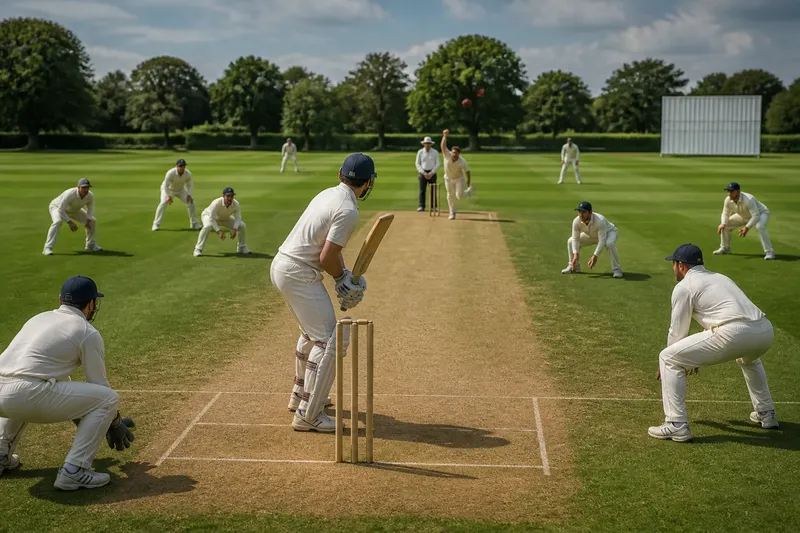
For the bowling side, the field helps turn a plan into a question for the batter. A close catcher may support a line that invites a defensive mistake; a deep fielder can protect against a boundary and leave space elsewhere. Neither arrangement explains itself. Look for the area the bowler is targeting and the scoring option the field appears to concede.
- If several established batters remain, check whether one is taking more responsibility for attack; if so, the other may be preserving a partnership, but if both are cautious, consider whether the bowler or conditions are restricting scoring.
- If a new batter has just arrived, check whether the field crowds the bat or leaves an easy single; if the field invites a defensive response, the bowler may be testing technique, but if a scoring gap is obvious, the batter may use it to settle in.
- If the chase is becoming urgent, check whether the batting side needs boundaries rather than singles; if it does, a batter may accept a riskier shot, but if the required pace remains manageable, retaining wickets may still suit the situation.
- If a bowler repeats a line or length, check whether the field supports that delivery; if it does, the bowler may be trying to constrain a particular scoring area, but if the batter is scoring freely, a change of angle or pace may be considered.
- If the field leaves a gap on the leg side, check whether the bowler is aiming outside the batter’s reach; if so, the gap may be bait, but if the bowler misses the intended line, the batter may have an easy scoring option.
- If the final delivery is approaching, check who is likely to face the next over and which bowler may deliver it; if a single brings a preferred batter on strike, it may help, but if it exposes a less-set partner, keeping the strike may be preferable.
These are ways to interpret what is visible, not rules for judging a decision. A batter’s skill, the conditions and the field can all change the value of an option.
A wicket’s ripple
A dismissal breaks one partnership and sends a new batter into a situation already shaped by the score and the field. The bowler may look for a response that tests the newcomer, while the established partner may take more responsibility for scoring. But a new batter is not automatically under pressure to defend: the match may require immediate runs.
Imagine a chase in which a settled batter is out on the first legal delivery of an over. For this invented situation, suppose five legal deliveries remain and a capable new batter arrives. The bowler has a choice: keep attacking the newcomer with a field that supports that plan, or protect against the established partner scoring at the other end. If the newcomer takes a single, the established batter may face the next delivery; if the newcomer struggles to judge the pace, the bowler may continue testing that matchup. The resulting decision depends on the actual batter, field and match need, not on the wicket alone.
The timing also matters. A wicket early in an over leaves more deliveries in that over for the bowler to challenge the newcomer; a wicket near the end leaves fewer. In either case, the next over brings a fresh sequence and possibly a different bowler, so the tactical situation can shift again.
The chase and the total
When batting second, a side must judge the target alongside the time and wickets it has left. A dot ball can make later scoring more urgent; a single can ease the task, though it may leave a stronger hitter off strike. The value of either outcome depends on who is batting and what the remaining innings demands.
When batting first, there is no chase rate to follow. The side may try to build a platform, then take greater risks as its innings approaches its end. A wicket can interrupt that plan, but the format and the batters still to come affect whether the next player should rebuild or attack.
The bowler faces a related tradeoff. Protecting the boundary may leave room for singles; preventing easy rotation may expose a boundary gap. The field, the batter’s preferred scoring areas and the match situation help explain which risk the bowler is willing to accept.
The next over?
Why can the last ball matter?
The result of the final delivery can affect which batter faces the start of the next over. Whether that is useful depends on the batters’ roles and the bowler expected to deliver next.
Does a wide count as one of the six?
No. A wide is not a legal delivery, so the bowler must deliver another ball to complete the over. It also gives the batting side a chance to score from the extra delivery.
Should a new batter defend first?
Not necessarily. The batter may need to judge pace and bounce, but the chase or the innings stage can make immediate scoring the more purposeful choice.
Why might a bowler change the field?
A changed field can protect a scoring area, invite a particular shot or support a new line of attack. Compare the new positions with the bowler’s line and the batter’s response to see what problem the field is meant to address.
Read the tactical shift
Instead of tracking every element of the over, choose one decision to follow: how the bowler adjusts after a wicket, how a field leaves or closes a scoring area, or why a batter accepts a particular risk. Then compare the next delivery with that choice. If the plan changes, look for the event that prompted it.
The search phrase how to read an over in cricket points to more than the sequence of balls. It is a way to notice which options have narrowed and which remain open. A useful last question is whether the delivery changed the problem facing either side; that often explains the next decision more clearly than the score alone.