Choosing Cricket Gear for Your First Match
Choosing cricket gear starts with the role you want to try. Learn what to borrow, what to inspect, and how to avoid buying equipment too soon.
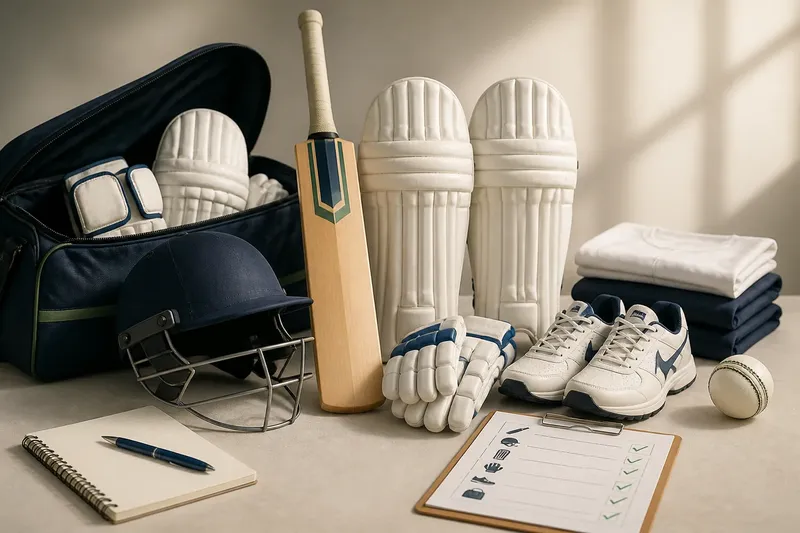
The most common equipment mistake for a first cricket match is buying a full kit before knowing which role or format interests you; the cost is gear that may not fit the way you play. Choosing cricket gear is easier if you begin with the essentials for one session, then decide what deserves a place in your own bag.
Cricket equipment is role-specific. A batter needs different protection from a wicketkeeper, while a bowler may need little beyond suitable clothing and footwear for an introductory session. A borrowed bat is like a borrowed kitchen knife: the right size and condition matter more than owning one immediately.
Start with the role
Before shopping, ask the coach or club what the session involves. A beginner's practice may use soft balls and shared equipment; a hard-ball session calls for protective gear and proper instruction. For a first visit, ask whether the club lends bats, pads, gloves, helmets, and other items, and whether participants should bring their own athletic shoes.
The main roles point to different needs:
- Batter: A bat, batting pads, batting gloves, and a helmet may be needed for hard-ball practice. If the session uses a soft ball, ask the coach whether that protection is appropriate or necessary.
- Bowler: A bowler generally uses the same ball and suitable footwear as the group; protective equipment depends on the activity and the coach's instructions. If you are also batting, ask what batting protection to bring.
- Wicketkeeper: Keeping involves specialist gloves and pads, with a helmet or other protection depending on the ball and session. If you are only trying the role briefly, ask whether the club can lend keeper's gear.
- Fielder: Fielding practice usually requires comfortable clothing and footwear suited to the surface. If the drill includes close catching with a hard ball, follow the coach's directions about protective equipment.
Borrow before buying
Borrowing lets you learn what feels comfortable before committing to a particular bat, pad shape, or glove fit. Ask the club which items it provides and whether borrowed gear is suitable for the planned ball type. A used item can be useful if it fits and is in sound condition, but appearance alone does not establish that it is appropriate for a session.
When trying a bat, hold it as you would in a stance and check that you can control it without strain. Pads should sit securely without restricting your movement; gloves should allow a natural grip. A helmet should fit as its maker intends and be in good condition. If anything shifts, pinches, has a damaged strap, or leaves protection uncertain, do not use it; ask a coach or knowledgeable equipment professional for guidance.
Questions before buying?
What cricket gear does a beginner need?
It depends on the ball and activity: a hard-ball batting session may require a bat, pads, gloves, and a properly fitting helmet, while a soft-ball introduction may use shared or simpler equipment. Ask the coach for the session's exact requirements before buying.
Can I use borrowed cricket equipment?
Often, clubs can lend some equipment, but availability and condition vary. Confirm what is provided, check fit and visible condition, and ask the coach to approve anything you are unsure about.
How should a cricket bat fit?
You should be able to hold and control the bat comfortably in your batting stance. If it feels awkward or difficult to maneuver, ask a coach or equipment specialist to help compare options rather than guessing from appearance.
What should I check on protective gear?
Check that straps and fastenings work, the item fits as intended, and there are no visible cracks, tears, or other damage. If protection or fit is uncertain, set it aside and consult the coach or a qualified equipment professional.
Inspect before use
A quick check helps you spot obvious problems, but it is not a substitute for expert advice about suitability. Before practice, look over each item and make a clear decision:
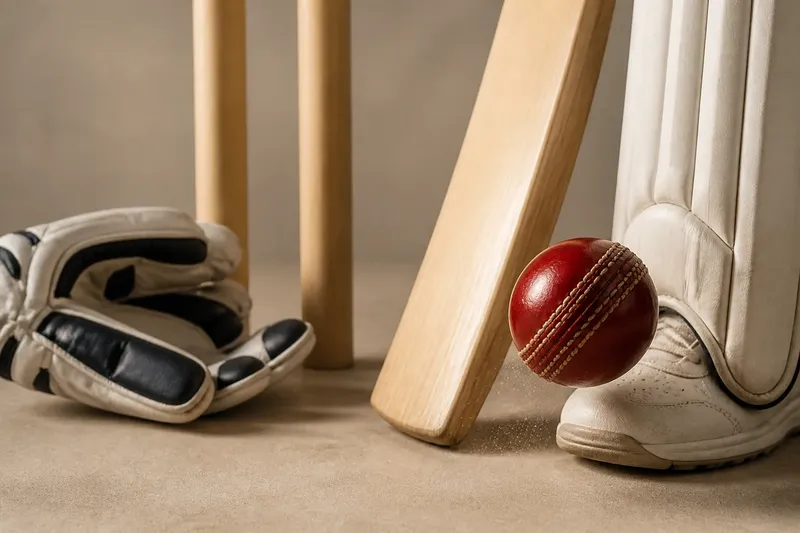
- Bat: Check the handle for looseness and the blade for visible splitting; if either is present, do not use it and ask for another bat.
- Helmet: Check the shell, grille, and fastening for visible damage or a poor fit; if anything is damaged or unstable, set it aside and ask the coach for a suitable replacement.
- Pads: Check the straps and closures and try moving in them; if they slip or restrict movement, ask for a different size or adjustment before batting.
- Gloves: Check seams, padding, and grip; if a tear or loose fit leaves your hands exposed, use another pair or ask the coach what is acceptable.
- Footwear: Check that shoes fit securely and suit the playing surface; if they slide or feel unstable, ask what footwear is appropriate before taking part.
- Shared gear: Check the club's cleaning and storage guidance; if an item is wet, dirty, or in poor condition, ask for a clean, sound alternative.
A first-session decision
Say you are joining an introductory hard-ball practice and own no cricket gear. You ask the coach what the session includes and learn that batting is optional, the club has a bat and pads to lend, and participants must bring a suitable helmet. You borrow the bat and pads, try them on, and find that the pad straps stay secure; the helmet you were offered has a loose fastening. You leave that helmet unused and ask the coach for a sound, properly fitting one before batting. The practical result is a clear decision: borrow the usable club equipment, obtain appropriate head protection, and postpone buying your own kit until you know what you prefer.
Choose gear gradually
Once you have attended a few sessions, note which items you repeatedly borrow and whether their fit causes trouble. Ask a coach about appropriate equipment for your role and the ball used at the club. If you do buy, prioritize fit, sound condition, and suitability over matching a complete kit.
Choosing cricket gear well means making each purchase answer a real need. Keep the club's equipment guidance, your role, and the condition of each item in view; if any safety question remains, ask a qualified coach or equipment professional before using it.